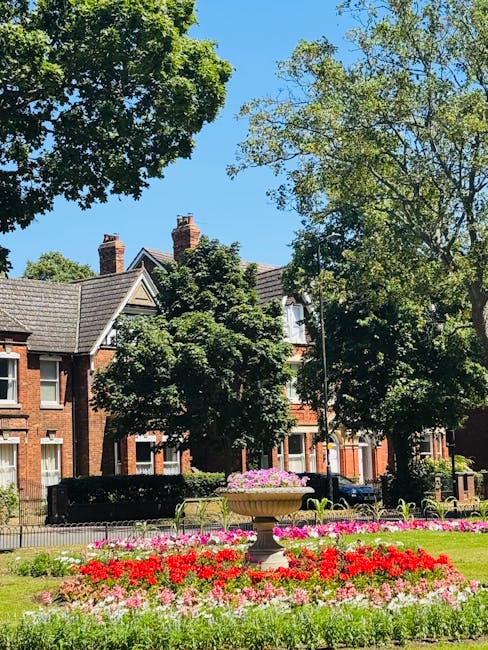
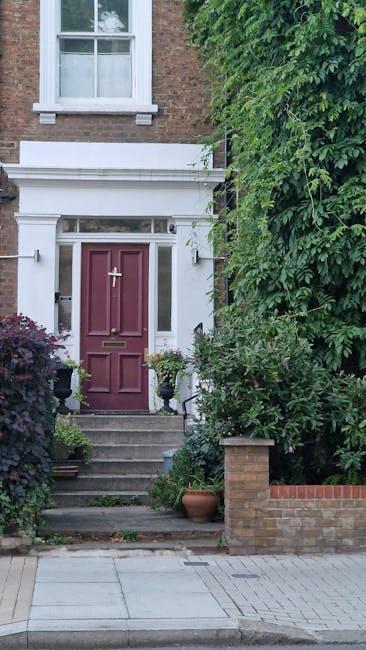
Tottenham Hale gardeners guide to Hale Village front gardens
Front gardens in Hale Village look simple at first glance, but anyone who has actually worked on one knows there is a bit more going on. Space can be tight, exposure to wind can be awkward, privacy matters more than people expect, and the whole plot has to work hard without feeling cluttered. This Tottenham Hale gardeners guide to Hale Village front gardens is designed to help you make sensible, attractive choices that suit modern London living. Whether you want a neat, low-maintenance entrance, a greener welcome, or a small space that feels calmer and more private, the right plan makes all the difference.
In Hale Village, the best front gardens tend to be the ones that feel deliberate. Not overdone. Not fussy. Just clean lines, the right planting, and maintenance that stays manageable through the year. That is what this guide focuses on: practical decisions, realistic upkeep, and the kind of detail that saves time later. To be fair, a front garden is often the first thing you see when you get home, so it deserves a little thought.
If you are already thinking beyond a simple tidy-up, you may also find it useful to explore our gardening services or, if your front boundary needs a stronger structure, look at fencing options and hedge trimming support. Those details matter more than people realise.
Table of Contents
- Why Tottenham Hale gardeners guide to Hale Village front gardens Matters
- How Tottenham Hale gardeners guide to Hale Village front gardens Works
- Key Benefits and Practical Advantages
- Who This Is For and When It Makes Sense
- Step-by-Step Guidance
- Expert Tips for Better Results
- Common Mistakes to Avoid
- Tools, Resources and Recommendations
- Law, Compliance, Standards, or Best Practice
- Options, Methods, or Comparison Table
- Case Study or Real-World Example
- Practical Checklist
- Conclusion
- Frequently Asked Questions
Why Tottenham Hale gardeners guide to Hale Village front gardens Matters
Hale Village front gardens sit in a very specific context. They are urban, often compact, and usually visible from the street or shared walkways. That changes how you design them. A plant bed that might look charming in a larger suburban garden can feel messy in a small frontage. Likewise, a row of neat shrubs that works well in winter might look too rigid if the rest of the space lacks softness.
This is why a local, practical approach matters. A front garden in Tottenham Hale needs to handle the everyday stuff: foot traffic, bikes, bins, wind, patchy shade, sudden rain, and the occasional dry spell. If you get the basics right, the space becomes one of the hardest-working parts of your home. If you get them wrong, you end up with constant weeding, leggy plants, and a front path that always looks half-finished. Nobody wants that.
Front gardens also influence how a property feels before anyone steps through the door. A tidy entrance suggests order and care. A planted border softens hard edges. A small seating nook, if there is room, can make the whole frontage feel less like a corridor and more like a proper home. In a neighbourhood like Hale Village, those details do not need to shout; they just need to be well judged.
For many households, the front garden is also the easiest place to make a visible improvement without taking on a full landscape redesign. That makes it a smart first project. If you are weighing up whether to invest in a bigger refresh, a broader landscaping plan can help you think through structure, planting and access together rather than in separate little fixes.
How Tottenham Hale gardeners guide to Hale Village front gardens Works
A good front-garden plan usually follows the same broad logic: assess the space, define the function, choose practical materials, and then select planting that can cope with the site. That sounds obvious, but a lot of poor gardens happen because someone starts with a plant list rather than a layout. The layout should come first. Always.
In Hale Village, that usually means starting with three questions:
- How do people enter and leave the property?
- What do you want the garden to do beyond looking nice?
- What does the site actually allow in terms of light, width, shelter and drainage?
Once those answers are clear, the design becomes much easier. For example, if the frontage is narrow, vertical interest and restrained planting work better than chunky borders. If it gets a lot of wind, sturdy evergreen structure matters more than delicate seasonal colour. If the main issue is lack of privacy, then a layered boundary approach is usually better than one oversized hedge. Funny how often people skip straight to the fun bit and then wonder why the garden looks awkward six months later.
Hale Village front gardens also work well when maintenance is planned in from the beginning. A beautiful planting scheme that needs weekly intervention is not really a win for most busy homeowners. If the aim is a clean, reliable result, then regular garden maintenance or a scheduled lawn care routine can stop the whole space sliding backwards.
In practice, the process often looks like this: clear, measure, simplify, then build. The best results are rarely the most complicated ones.
Key Benefits and Practical Advantages
Front gardens in Hale Village can deliver more than just kerb appeal. They can make daily life easier, more pleasant, and less frantic. That may sound a bit grand, but small outdoor spaces do shape how a home feels.
Here are the main benefits worth aiming for:
- Better first impressions: A clean, well-edged entrance looks cared for and welcoming.
- Lower day-to-day effort: Smart plant choices can reduce weeding, watering and pruning.
- Improved privacy: Thoughtful screening helps soften views from the street without making the frontage feel closed in.
- More usable space: Even a narrow front garden can support storage, planting, pathways or a small seating spot.
- Weather resilience: The right design stands up better to wind, cold snaps and summer drying-out.
- Better biodiversity: Even compact beds can support pollinators and birds if planting is chosen well.
There is also a quieter benefit: the garden feels calmer. You notice it on the way out to work, or when you come back on a wet evening and the entrance still looks tidy rather than tired. That counts for a lot, honestly.
If you want your planting to do some of the heavy lifting, ideas from this guide to ground cover plants can be especially useful in small front gardens where weeds and bare soil are a constant nuisance. In the right spot, ground cover brings texture and reduces maintenance at the same time.
Who This Is For and When It Makes Sense
This guide is for anyone in or around Tottenham Hale who wants their front garden to look good without becoming a full-time project. It is especially useful if you live in one of the newer developments in Hale Village, where the frontage may be compact, exposed, or visually connected to shared public space.
It also makes sense if you are:
- moving into a property and want to improve the entrance quickly
- tired of a front garden that looks bare, weedy or unfinished
- trying to create privacy without blocking light
- looking for lower-maintenance planting in a London setting
- planning to refresh boundaries, paving or access points
- wanting a front garden that feels tidy all year, not just in spring
It is also relevant for landlords and managing agents who need a frontage to stay presentable with limited intervention. Front gardens are often the first thing residents and visitors see, and they can influence how a whole building or block is perceived. That is not cosmetic fluff; it is part of how a place feels.
If the frontage is heavily shaded by buildings or trees, you may need a more specialised planting approach. In that case, a guide to evergreen climbers for shaded spaces can help you think beyond standard border plants.
Step-by-Step Guidance
Here is a practical, field-tested way to approach a Hale Village front garden without making it unnecessarily complicated.
1. Start with a proper site check
Walk the space in the morning and again later in the day if you can. Notice where the light falls, where the wind bites, and where water collects after rain. Check the width of paths and entrances too. A front garden can look generous in photos and feel surprisingly tight in real life.
2. Decide what the front garden must do
Choose the primary job before you choose the style. Is the goal privacy, a low-maintenance entrance, pollinator planting, or a more elegant arrival space? If you try to force all four into a tiny frontage, the result usually looks crowded. One clear priority beats three half-hearted ones.
3. Set a simple structure
Structure usually means edging, a path, boundary treatment and a planting frame. This is where a small hedge, rail, trellis, container group or low wall can be very helpful. If privacy is part of the brief, a measured boundary solution often works better than letting everything grow loosely. You can read more about that approach in the article on fast-growing hedges for seclusion.
4. Choose planting that fits the site, not just your taste
It is easy to fall in love with a plant and forget the conditions. Try to match plants to sun, shade, exposure and maintenance level. In Hale Village, compact evergreen shrubs, grasses, ground cover, climbers and well-chosen perennials often deliver better long-term value than high-maintenance showpieces.
5. Keep the palette tight
Using too many plant types in a small front garden creates visual noise. A simple mix of leaf shapes, one or two accent colours and a couple of repeated textures usually looks more polished. Repeat rather than scatter. That is the trick, really.
6. Build in maintenance access
Leave enough space to prune, weed and clean paths without damaging plants. If containers are used, make sure they do not block access. This is one of those details people regret later if they skip it. The garden may look fine on day one, but maintenance becomes awkward fast.
7. Finish with edging, clean lines and a final tidy
A strong finish matters. Crisp edges, swept paving and healthy, evenly spaced planting can transform a modest space. If the hard surfaces need attention too, a dedicated patio cleaning service can help restore the whole entrance rather than just the beds.
Expert Tips for Better Results
In our experience, the best front gardens are not the most expensive. They are the best edited. Here are a few useful habits that make a real difference.
- Use repetition: Repeating a plant, pot or material creates calm. One strong idea used well is better than five weak ones.
- Think in layers: Ground cover, mid-height planting and a boundary feature give depth even in a shallow space.
- Do not ignore winter: A garden that looks good only in June is not enough. Evergreens and structure matter.
- Prioritise drainage: Compact urban gardens can suffer from compaction and waterlogging. Raised planters or improved soil may help.
- Use containers where flexibility helps: Containers can soften steps, mark entrances and give seasonal interest. There is a good reason container gardening works so well in urban spaces.
- Keep one area intentionally simple: If everything is detailed, nothing stands out. A small calm zone can make the whole frontage look better.
One more thing: if the property gets hit by persistent wind, do not fight it with fragile planting. Choose tougher species and anchor them properly. A windy site can flatten the ambitious but weak, no problem. The brave little shrub often loses.
For more seasonal resilience, it is worth reading weather defence strategies for your garden and guidance on garden winds. Front gardens in exposed urban settings really do benefit from that sort of planning.
Common Mistakes to Avoid
Most front-garden problems in compact London spaces come from a handful of predictable mistakes. Avoid these and you are already ahead.
- Overplanting: Too many plants in a small frontage quickly looks crowded and becomes hard to maintain.
- Choosing plants for a garden centre moment: A plant that looked great in a pot under shelter may fail in an exposed front bed.
- Ignoring the path: If access feels awkward, the whole space feels awkward.
- Letting ivy or self-seeders take over: It may look romantic at first, then it turns into a job you did not ask for. If that sounds familiar, there is a useful article on removing ivy from outdoor spaces.
- Using too many materials: Mixed paving, random pots and different edging styles can make a small front garden feel messy.
- Forgetting seasonal change: A scheme should look reasonable in winter, not just during peak bloom.
Another common issue is impatience. People want an instant result, then they rip things up too early or keep changing the plan. A front garden usually settles in over a season or two. Give it a chance. It will thank you for that little bit of patience.
Tools, Resources and Recommendations
For a simple front-garden project, you do not need a warehouse of kit. A few reliable tools, the right materials and a basic maintenance rhythm go a long way.
Useful tools
- secateurs for light pruning
- long-handled fork or trowel for planting and weeding
- edging tool for neat borders
- gloves and a kneeling mat for comfort
- watering can or hose with a sensible spray setting
- broom or leaf blower for keeping paths clear
Useful service areas
If the project is bigger than a quick tidy-up, it helps to understand which service does what. Lawn mowing is the obvious one where grass is involved, but many front gardens also benefit from lawn care if the turf is thin, patchy or underfed. If hard landscaping is involved, then decking services or fencing may come into play too.
For bigger changes, especially where the whole frontage needs reworking, landscaping support can bring the design, materials and planting together rather than leaving you with bits and pieces that do not quite match.
Helpful reading
If you are planning a lower-maintenance or more resilient garden, these guides are worth a look: weed management tips, must-have equipment for gardeners, and ways to create a stunning garden without financial strain. Small jobs add up. So does a sensible budget.
Law, Compliance, Standards, or Best Practice
For most front gardens in Hale Village, there is usually no complicated legal issue if you are simply planting, tidying or replacing soft landscaping. Still, there are a few best-practice points worth keeping in mind.
- Check boundaries carefully: Before removing or altering fences, walls or hedges, make sure you know what belongs to your property and what does not.
- Consider visibility and access: Do not block entrances, sightlines or shared pathways with bulky planting or pots.
- Be considerate with height: Tall screens can be useful for privacy, but they should not create an oppressive or unsafe entrance.
- Work safely: Use proper gloves, stable ladders for pruning, and sensible lifting techniques for heavy planters or materials.
- Dispose of waste properly: Green waste, soil and removed materials should be handled responsibly and in line with your chosen service or local arrangements.
Where any pruning involves mature trees, it can be wise to seek proper help rather than guessing. That is where tree surgery becomes relevant. The same goes for anything unstable, overgrown or awkwardly placed near access routes. Better safe than sorry, as they say.
From a professional standards point of view, good practice usually means clear communication, sensible timing, tidy completion and care around access, neighbours and safety. The paperwork matters too. If you are booking services, it is reasonable to review the provider's health and safety policy, insurance and safety information, and terms and conditions. Not glamorous, perhaps, but very useful.
Options, Methods, or Comparison Table
When planning Hale Village front gardens, it helps to compare a few common approaches before choosing one. Here is a straightforward comparison.
| Approach | Best for | Strengths | Watch-outs |
|---|---|---|---|
| Minimal planting with clean hard landscaping | Busy households and very small frontages | Low upkeep, neat appearance, easy access | Can feel sparse if not softened with texture |
| Layered planting with ground cover and shrubs | People wanting a greener, fuller look | Better seasonal interest, improved coverage, more privacy | Needs periodic pruning and edging |
| Container-led design | Renters or anyone wanting flexibility | Easy to update, suits patios and entrances, simple to rearrange | Requires watering and may need winter protection |
| Boundary-led design with hedges or fencing | Homes needing clearer definition and seclusion | Strong structure, privacy, long-term visual order | Needs careful height control and maintenance |
For many homes, the best answer is a mix rather than one pure method. A tidy path, a couple of statement containers, and a restrained planting bed often work better than a grand gesture. Quietly effective is usually the goal.
Case Study or Real-World Example
Here is a realistic example based on the kind of frontage commonly seen in Hale Village. A homeowner has a narrow front garden with a paved path, a small strip of soil, and a boundary that feels a little exposed. The space is not neglected, exactly, but it lacks identity. Weeds appear quickly in the thin border, the path collects debris, and the whole entrance feels temporary.
The solution is not to cram in more plants. Instead, the space is simplified. The path is cleaned and edged, the old tired growth is cut back, and the border is reshaped into a narrow repeated planting scheme. A mix of ground cover and upright evergreen structure is added, with one or two containers near the entrance for seasonal interest. The boundary is then made more coherent with either discreet fencing or a trimmed hedge line, depending on the site.
Within a short time, the frontage looks calmer. It is easier to sweep, easier to water, and easier to keep tidy. More importantly, it feels intentional. That is the real transformation. Not dramatic, just noticeably better every time the front door opens.
If the same property later wants to add seating, privacy or a more defined arrival space, the groundwork is already in place. Good front-garden design gives you room to evolve. That is underrated, frankly.
Practical Checklist
Use this before you start any front-garden refresh in Hale Village.
- Measure the frontage and note access widths
- Check sun, shade, drainage and wind exposure
- Decide the main function: privacy, neatness, biodiversity or curb appeal
- Choose a restrained material palette
- Select plants that fit the site rather than the wish list
- Keep one clear route to the front door
- Plan maintenance access for pruning and weeding
- Use containers where flexibility is useful
- Consider evergreen structure for winter interest
- Check boundaries before changing fences or hedges
- Have a plan for green waste and tidy-up
- Book regular maintenance if you do not want the space to drift
Expert summary: The best Hale Village front gardens are usually the simplest ones done properly. Clear layout, plants matched to the site, and a maintenance plan that fits real life. That combination saves money, time and a fair bit of frustration.
Conclusion
A well-planned front garden in Hale Village does not need to be large or flashy. It needs to be thoughtful. The right mix of structure, planting, access and upkeep can turn a modest frontage into something that feels calm, useful and genuinely welcoming. And once it works, you notice it every single day.
That is the charm of good front-garden design. It quietly improves your mornings, softens the view from the street, and makes coming home feel a bit better. Not a huge life change, maybe. But a real one.
When you are ready to take the next step, choose the approach that fits your space, your time, and the way you actually live. That is the trick. Simple, but not easy.
Get a free quote today and see how much you can save.
If you want to learn more about the team behind the work, you can also read about us or reach out through the contact page when you are ready.
Frequently Asked Questions
What makes Hale Village front gardens different from other London front gardens?
They are usually smaller, more visible, and more exposed to urban conditions. That means layout, privacy and low-maintenance planting matter more than in a larger suburban garden.
How do I keep a small front garden looking tidy all year?
Use a simple structure, repeat a small number of plants, and plan regular maintenance. Clean edges and a clear path make a bigger difference than most people expect.
Which plants work best in exposed front gardens?
Sturdy evergreens, ground cover, compact shrubs and tougher perennials are usually safer choices. If your space is windy, avoid delicate plants that flop easily.
Can I use containers instead of planting beds?
Yes, and in urban spaces they often work very well. Containers are flexible, easy to refresh seasonally, and useful where soil quality is poor or space is limited.
Do front gardens need a lot of maintenance?
Not if they are designed sensibly. A low-maintenance front garden is built around the site conditions, with plant choices and materials that reduce constant upkeep.
Should I choose a hedge or fencing for privacy?
It depends on the look you want, the space available, and how much maintenance you are comfortable with. Hedges feel softer; fencing gives immediate structure and definition.
Is it worth hiring a professional gardener for a front garden?
If the space is awkward, overgrown or you want a proper design rather than a quick tidy, yes. A professional can help avoid expensive mistakes and create a more balanced result.
How often should a front garden be maintained?
That depends on the planting, but many front gardens benefit from at least seasonal attention, with some needing monthly upkeep during the growing season.
What should I do if ivy or weeds are taking over?
Deal with them early. Ivy can become a serious nuisance if ignored, and weeds are far easier to manage before they spread through borders and paving joints.
Can a front garden improve property appeal?
Yes. A neat, attractive frontage can make a property feel more cared for, more welcoming and more settled. It is one of the easiest visible improvements to make.
Do I need to think about safety and insurance when booking garden work?
Absolutely. It is sensible to check that any contractor has appropriate safety processes and clear service terms, especially if work involves pruning, boundary changes or heavier materials.
What is the best first step if my front garden feels overwhelming?
Start by clearing, measuring and simplifying. Once you know the size of the space and the main problem, the design choices become much easier to make.