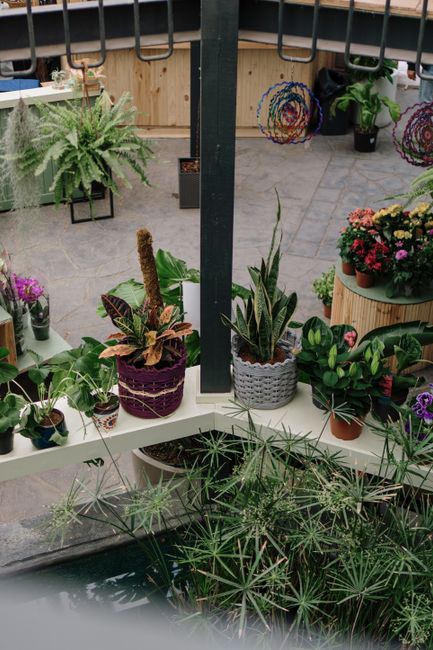
Tottenham Hale Retail Park small garden solutions by local gardeners
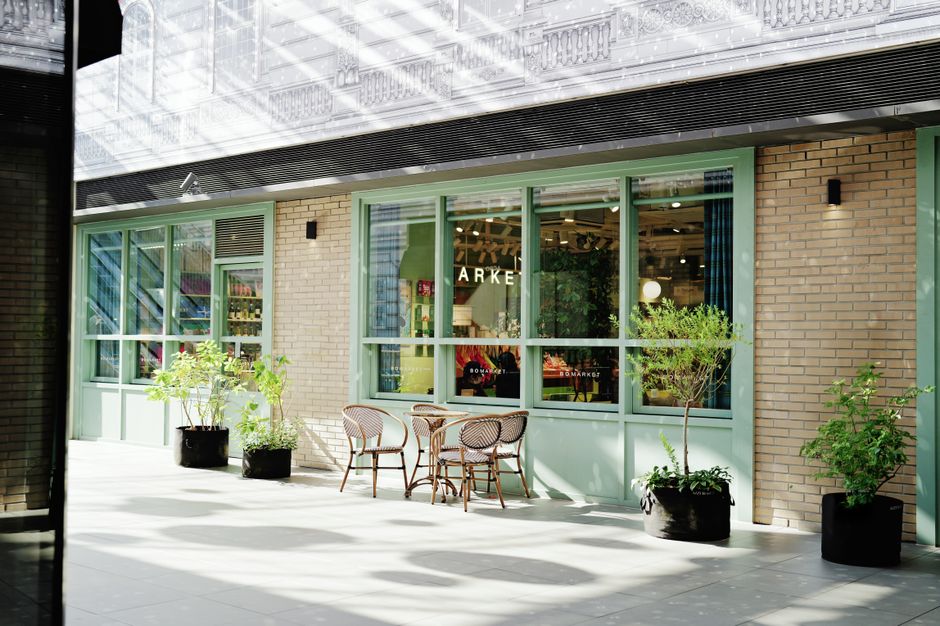
Small gardens around Tottenham Hale Retail Park can be deceptively tricky. One patch gets too much shade from fencing or buildings, another dries out by lunchtime, and suddenly the whole space feels more like a leftover corner than a proper garden. That is exactly where Tottenham Hale Retail Park small garden solutions by local gardeners can make a real difference. With the right layout, planting choices, and maintenance rhythm, even a compact plot can feel calmer, neater, and far more usable.
In practical terms, this is about turning limited space into something that works harder for you. Think storage-friendly planting, clever screening, tidy paths, and low-fuss surfaces that do not swallow the garden whole. If you are deciding whether to refresh a tiny front yard, narrow courtyard, balcony-style yard, or a small back garden nearby, this guide walks through what works, what does not, and how local gardeners usually approach the job.
Why Tottenham Hale Retail Park small garden solutions by local gardeners Matters
Small gardens are often judged by the wrong standard. People look at them and see a lack of space. Local gardeners look at them and see a design puzzle. And that shift matters, because a compact garden near Tottenham Hale Retail Park usually has more than one challenge at once: wind, shade, hard surfaces, awkward dimensions, and the constant battle against clutter.
Local knowledge helps because small spaces are rarely generic. A space tucked beside a retail area may be exposed to foot traffic, noise, dust, and a lot of visual interruption. It may also need to feel private without becoming dark and enclosed. That balance is hard to get right if you treat the garden like a standard suburban plot. Truth be told, that is where many DIY attempts fall over.
Good small-garden planning is not just about making a space look pretty for a week. It is about making it easier to maintain, easier to use, and less stressful through the seasons. The best results usually come from practical decisions: keeping the planting palette tight, choosing the right scale of furniture, and using structure to make the area feel intentional rather than cramped.
If you are exploring service support, it can also help to look at the wider range of gardening services and the local team background on about us. Those pages can give you a better sense of the approach behind the work, not just the finished look.
How Tottenham Hale Retail Park small garden solutions by local gardeners Works
The process usually starts with observation. Not a glamorous word, I know, but it is the difference between a garden that merely survives and one that actually feels designed. A local gardener will typically assess how much sun the space gets, where water pools after rain, what kind of soil is present, and how the garden is used day to day.
From there, the design tends to follow a simple pattern:
- Clear the space. Remove dead growth, weeds, old containers, broken edging, and anything that makes the garden feel busy.
- Define the function. Decide whether the space should be for relaxing, low-maintenance greenery, children, pets, entertaining, or a blend of all four.
- Build structure first. In a small garden, structure matters more than quantity. Edging, screening, trellis, raised planters, and paving lines can do a lot of heavy lifting.
- Choose plants for scale and season. Compact spaces need plants that stay in proportion and still offer colour, texture, or privacy.
- Set up maintenance routines. Without a simple upkeep plan, even a lovely small garden can drift back into chaos by late summer.
Many local gardeners also prefer to work in stages. That is sensible. A small garden does not need to be rebuilt in one dramatic burst. Sometimes the better approach is to sort the ground first, then add planting, then introduce containers or seating once the bones of the space are right.
For anyone leaning toward container-based ideas, the guide on why container gardening is perfect for urban spaces is especially useful. It is a practical fit for tight plots where flexibility matters more than permanent borders.
Key Benefits and Practical Advantages
Small garden solutions are not just about squeezing more in. Done well, they make the whole space feel easier to live with. That sounds simple, but it changes how people use their garden every day.
- Better usability: A clear layout makes even a tiny garden feel walkable and purposeful.
- Less upkeep: Fewer awkward corners and better plant choices mean less scrambling with the mower, secateurs, or weed rake.
- More privacy: Careful screening can soften views without making the space feel boxed in.
- Stronger year-round appeal: Layered planting and evergreen structure stop the garden looking bare in winter.
- Improved mood: A tidy, green, well-ordered outdoor space can feel like a small reset after a noisy day.
There is also a money angle. A compact space can often be improved more cost-effectively than a full-size garden, because the material quantities are lower and the changes are more targeted. That said, small does not always mean cheap. If you want custom joinery, premium paving, or mature screening, costs still add up. A good local gardener will help you decide where to spend and where to keep things simple.
For people watching the budget closely, creating a stunning garden without the financial strain is worth a read. It supports a more realistic, phased approach rather than the all-at-once fantasy that tends to empty wallets fast.
And if a space feels messy rather than small, that is often a maintenance issue, not a size issue. Regular support like garden maintenance can keep the structure intact and prevent the whole area from slipping back into overgrowth.
Who This Is For and When It Makes Sense
This kind of work is a strong fit if your garden is compact, awkwardly shaped, or simply underused. In practice, that includes a lot of people living and working around Tottenham Hale. Let's face it, not everyone has the luxury of a broad, open lawn.
You may need small-garden solutions if:
- your garden feels cluttered or hard to move around in
- you want privacy from nearby paths, car parks, or neighbouring views
- you have patchy lawn areas that never quite thrive
- you want a low-maintenance outdoor space that still looks cared for
- you need a pet-friendly or family-friendly layout
- you want the space to feel more like a retreat and less like a storage zone
It also makes sense when you are in between life stages. Maybe you have just moved in and the garden needs sorting before summer. Maybe the kids are older and you want to replace a play-heavy layout with a calmer sitting area. Or maybe the garden has simply become one of those "we will get to it next month" jobs. A familiar story, honestly.
If privacy is a major issue, the guidance in fast-growing hedges for seclusion can help you think through screening options that suit a smaller footprint. For older spaces that need rescuing rather than replacing, designing a new era for a weathered garden space is a helpful companion piece.
Step-by-Step Guidance
If you want to improve a small garden near Tottenham Hale Retail Park, a clear sequence usually works better than random upgrades. Here is the approach most local professionals would recognise.
1. Start with a clean slate
Strip out the obvious problems first: weeds, dead branches, broken pots, tired furniture, and anything that blocks circulation. Even a ten-minute clear-out can reveal more usable space than you expected.
2. Measure the garden properly
Small gardens punish guesswork. Measure widths, long sides, awkward nooks, and any changes in level. This helps prevent oversized furniture, overpacked planting, or paths that feel too tight to use comfortably.
3. Decide on one or two main functions
Do you want a quiet seating spot, a place for herbs, a compact lawn, or a family-friendly zone? Trying to do all four in a tiny footprint usually leads to compromises everywhere. Choose the priorities and let the rest support them.
4. Introduce structure
Structure is the backbone of small gardens. This may include edging, slatted screens, raised planters, trellis, or a simple paved zone. Even a narrow courtyard feels more balanced when the layout has edges that make sense.
5. Plant in layers
Use a mix of ground cover, mid-height planting, and vertical interest. In a small garden, the eye needs movement rather than bulk. A little layering goes a long way. If shade is a problem, the article on evergreen climbers for shaded spaces is a solid reference point.
6. Keep maintenance realistic
Choose plants and materials you can actually keep tidy. In a compact space, high-maintenance elements become overwhelming very quickly. You do not want a garden that looks like a second job by mid-July.
7. Finish with practical details
Add lighting, seating, a water butt if needed, or a few well-chosen containers. These are the finishing touches that make the space feel lived in rather than merely decorated.
Expert Tips for Better Results
Small gardens reward restraint. That is the first thing worth saying. The second is that the best results often come from what you leave out.
- Use fewer plant varieties, but use them well. Repetition makes a small space feel calm.
- Choose vertical interest. A slim climber or trellis can add depth without taking up floor space.
- Keep hard landscaping light and clean. Heavy materials can visually shrink a garden.
- Mix textures. Soft leaves, structured evergreen forms, and a neat paved surface create contrast without clutter.
- Think in sightlines. What do you see from the window or the doorway? That first view matters more than people expect.
A good local gardener will also watch how the garden feels at different times of day. A space that looks fine at 11 a.m. may feel cold, bright, or windy by late afternoon. That is where experience earns its keep. You can hear it in the way professionals talk about "microclimate" rather than just "sunny or shady". Small word, big difference.
For a more relaxed, restorative layout, you might also explore zen garden features or zen garden arrangements. Both are useful if your main goal is calm rather than colour overload.
And if you are building with sustainability in mind, recycling garden waste to cultivate fertile ground is a smart angle. Reusing clean organic material, where suitable, can support healthier soil and reduce waste. Simple, but effective.
Common Mistakes to Avoid
Small gardens magnify mistakes. One oversized shrub can swallow a bed. One awkward slab layout can make the whole area feel blocked. So the margins are tight.
- Overfilling the space: Too many pots, too many species, too many features. It gets busy fast.
- Ignoring maintenance access: If you cannot reach the back corner easily, it will become a weed pocket.
- Picking plants for the label, not the site: A plant that loves full sun will sulk in shade. No surprises there.
- Using furniture that is too large: A chunky bench can dominate a garden that only wants a slim seat and a small table.
- Forgetting seasonal change: A space that looks full in summer may feel barren in winter if there is no evergreen structure.
- Skimping on soil preparation: Great planting often starts underground, not above it.
We also see people ignore edge issues. Weeds along borders, self-seeded ivy, and overflow from neighbouring greenery can creep in and undo a lot of work. If ivy is already causing trouble, the guide on banishing ivy from outdoor spaces is a sensible place to start.
Another easy mistake is treating a small garden like a blank canvas with no constraints. But the constraints are the point. They push you toward better decisions. A little frustrating at first, yes. Better in the long run, absolutely.
Tools, Resources and Recommendations
You do not need a shed full of specialist gear to improve a compact garden, but the right basics matter. A few good tools can save time, reduce damage, and make upkeep feel less like a chore.
Useful tools often include:
- hand fork and trowel for planting in tight beds
- secateurs for tidy deadheading and pruning
- lightweight shears for shaping soft growth
- compact watering can or hose attachment for container care
- stiff brush and scraper for paving or deck edges
- gloves with a proper grip, because wet pots and cold mornings are not a cheerful combination
There is also a practical case for getting the basics right on equipment. The article must-have equipment for every garden crusader gives a useful sense of what matters most without turning tools into a shopping obsession.
For specific surface work, it may be worth looking at patio cleaning if hard landscaping needs brightening, or lawn care if your small lawn is patchy and struggling. If the garden has a defined edge that feels exposed, fencing can play a quiet but important role in screening and structure.
For more outdoor support, nearby households often benefit from lawn mowing, especially where a small lawn has to stay neat without becoming high-maintenance. That one tends to be underestimated. Tiny lawns can still become annoying, somehow.
Law, Compliance, Standards, or Best Practice
For small garden work in London, the biggest compliance issues are usually practical rather than dramatic. Noise, waste handling, access, neighbour consideration, and basic safety habits matter more than any grand theory.
Good practice generally includes:
- disposing of green waste responsibly and not leaving it to blow into shared areas
- keeping paths, steps, and working areas clear while work is underway
- using appropriate PPE where cutting, lifting, or powered tools are involved
- checking whether plant choices may affect boundaries, drainage, or access routes
- being mindful of neighbours when working in tight shared spaces
Professional teams should also be clear about their internal standards. If you are choosing a service provider, pages such as insurance and safety and health and safety policy can help you judge how seriously they treat the work. That is not exciting reading, granted, but it is the sort of thing that saves headaches later.
For admin and customer-facing matters, it is sensible to review terms and conditions, payment and security, and the complaints procedure. If a gardener is transparent there, that usually says good things about the rest of the service too.
Options, Methods, or Comparison Table
There is no single best way to improve a small garden. The right method depends on your budget, how often you want to maintain it, and whether the space needs privacy, colour, or simply order. Here is a straightforward comparison.
| Method | Best for | Pros | Watch-outs |
|---|---|---|---|
| Container gardening | Flexible, rented, or awkward spaces | Easy to move, simple to refresh, good for seasonal change | Needs watering and can clutter if overdone |
| Raised beds | Edible planting or tidy structure | Improves soil control, creates definition, easier access | Takes floor space and can look heavy if oversized |
| Vertical planting | Very narrow or shaded spaces | Adds height without crowding, useful for screening | Needs sturdy fixing and sensible plant selection |
| Simple hard landscaping | Low-maintenance, tidy layouts | Clean look, easy circulation, durable finish | Too much hard surface can feel stark |
| Mixed approach | Most small gardens | Balanced, adaptable, visually richer | Needs better planning to avoid clutter |
In most cases, a mixed approach is the winner. A bit of structure, a bit of planting, a bit of breathing room. Simple enough on paper, but it is easy to get it wrong if you rush. If your space also needs weather resilience, weather defence strategies for your precious garden is worth considering alongside the design choices.
Case Study or Real-World Example
Here is a realistic example from the sort of garden a local team might handle near Tottenham Hale Retail Park.
A small rear garden had become a narrow corridor of mixed paving, tired pots, and one overgrown shrub that was doing its best to own the whole place. The owners wanted somewhere they could actually sit for coffee, plus a bit of privacy from neighbouring windows. Nothing lavish. Just usable.
The solution was modest but effective: the space was cleared, the shrub was reduced and reshaped, the worst weeds were removed, and a simple seating zone was created with a clean hard surface edge. Two raised planters brought height without blocking the whole view, and a slim climber was introduced on a support panel to soften the boundary. The garden did not become large. It became readable. That is the real win.
By late afternoon, the space felt calmer. Not perfect, not magazine-fake, just calmer. And that made it far more likely the owners would use it regularly rather than stepping outside once and giving up. That part matters more than people admit.
If children or pets are part of the picture, small-space planning can shift quite a lot. The ideas in safe and stimulating garden spaces and garden design tips for child-friendly play areas help illustrate how to keep the area practical without losing the sense of fun.
Practical Checklist
Use this as a simple pre-work or refresh checklist. It is not fancy, but it keeps things grounded.
- Confirm the main purpose of the garden
- Measure every usable section, including awkward corners
- Remove weeds, dead growth, and broken items
- Decide whether privacy screening is needed
- Choose one main hard landscaping style
- Pick plants that suit the light levels
- Include at least one evergreen or winter-interest feature
- Leave enough room for easy access and maintenance
- Check how water drains after rainfall
- Plan how the garden will be maintained month by month
If you are building a more edible or herb-focused garden, there are useful ideas in crafting a herb garden oasis and the broader guide to nurturing a dog-friendly vegetable patch. Both can be adapted to compact layouts without too much fuss.
For spaces with limited light, create an orchid sanctuary in your home may sound like an indoor topic, but it can inspire how you think about sheltered, microclimate-friendly planting outdoors as well. Tiny spaces often behave like tiny worlds. Odd, but true.
Conclusion
Tottenham Hale Retail Park small garden solutions by local gardeners are really about making a compact space feel clear, useful, and worth stepping into. That could mean a better layout, smarter planting, tidier surfaces, or a maintenance plan that finally makes sense. It does not need to be dramatic. In fact, the best small gardens rarely are.
What they do need is thoughtful decision-making. The right local gardener will look beyond the obvious and help you build a space that fits the way you actually live, not the way a showroom photo suggests you should live. And once that balance is right, even a small garden can give you a surprising amount back. A little peace, a little order, a little breathing room. Sometimes that is enough, and then some.
If you are ready to move from ideas to action, start by speaking with a local team and discussing the specific shape, light, and maintenance needs of your garden. A brief conversation can save a lot of guesswork later.
Get a free quote today and see how much you can save.
Frequently Asked Questions
What counts as a small garden solution near Tottenham Hale Retail Park?
Usually it means a compact, practical approach tailored to a limited outdoor space. That may include container planting, screening, patio refreshes, raised beds, or simple layout changes that make the garden easier to use.
Can local gardeners make a tiny garden look bigger?
Yes, often they can. Clever use of repetition, vertical planting, lighter materials, and clearer sightlines can make a garden feel more open without changing its actual size. It is more about perception than magic, though the result can feel close.
Is container gardening a good option for small urban gardens?
Very often, yes. Containers are flexible, easier to manage, and useful when the ground is poor or the layout keeps changing. They work especially well where the space needs seasonal colour without a permanent redesign.
How do I choose plants for a small garden with shade?
Choose plants that suit the actual light conditions rather than hoping they will adapt. Shade-tolerant ground cover, evergreen climbers, and compact shrubs can all work well. Local gardeners usually look at how much direct sun the garden really gets, not just how it feels on a bright day.
What is the biggest mistake people make with small gardens?
Overfilling them. Too many features, too many pots, or plants that grow too large can make a small garden feel cluttered and hard to maintain. Simplicity is usually the stronger move.
Do small garden projects need professional design?
Not always, but professional guidance can save time and prevent expensive errors. If your space is awkward, shaded, exposed, or needs privacy, a local gardener's input can be very helpful.
How often should a small garden be maintained?
That depends on the planting and the season, but small gardens often benefit from regular light maintenance rather than occasional heavy work. Little and often tends to keep the space tidy without becoming overwhelming.
Can a small garden include seating and planting together?
Absolutely. The trick is choosing appropriately scaled seating and keeping planting around the edges or vertically. A small bistro set, slim bench, or built-in edge seating can work nicely if the layout is planned properly.
Are low-maintenance small gardens possible?
Yes, but low-maintenance does not mean no-maintenance. The aim is to reduce the time needed for weeding, watering, pruning, and tidying by making the structure and plant choices smarter from the start.
What should I ask a local gardener before starting?
Ask how they would use the space, what they would keep, what they would remove, and how they would handle maintenance afterwards. It is also sensible to ask about safety, payment terms, and what happens if the plan needs to change mid-project.
Is it worth improving a very small front or back garden?
Usually, yes. Even a small improvement can change how the property feels day to day. A tidy, well-planned garden can be easier to live with, easier to show off, and less of a headache over time.
How do I get started with a local gardening team?
The simplest next step is to share a few clear photos, your main priorities, and any problem areas you already know about. That gives the gardener something practical to work from and usually leads to better ideas straight away.